


As Haiti approaches the critical February 7 deadline marking the end of the current transitional mandate, questions surrounding governance, legitimacy, and leadership are no longer confined to diplomatic corridors or policy forums. They are increasingly surfacing in direct conversations between members of the Haitian diaspora and individuals expressing a willingness to serve the nation at a pivotal moment.
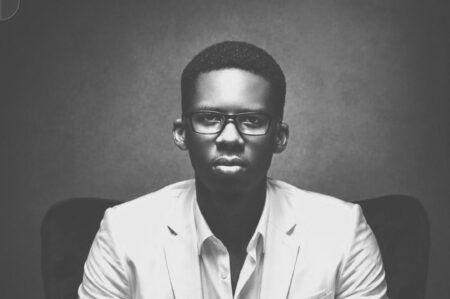
It was in this context that I had the opportunity to engage in a substantive conversation with Dr. Raymond Pierre, whose name has been circulating in diaspora and civil society circles as a possible figure in a post-February transition.
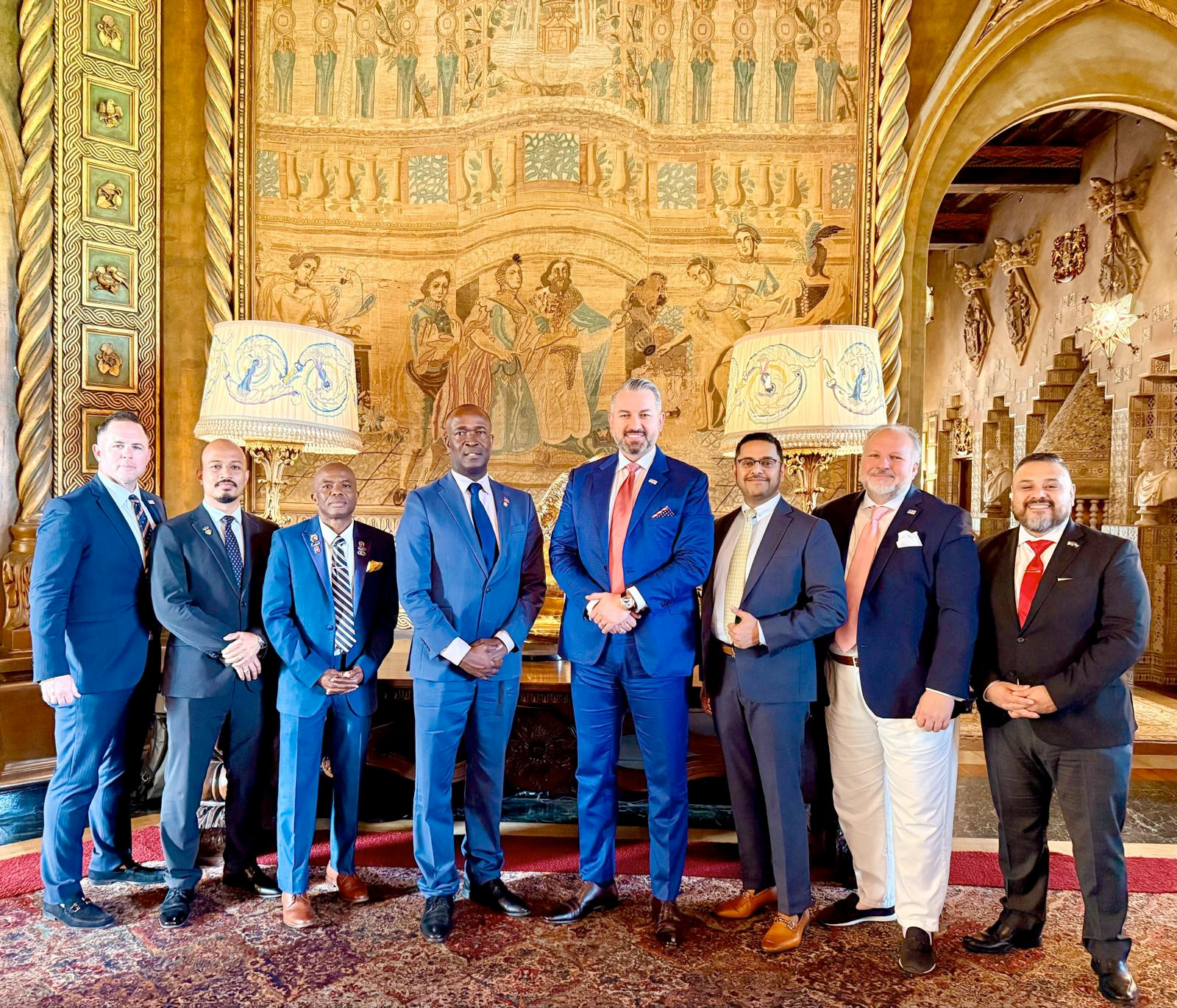
As a community leader, I consider it both a responsibility and a duty to engage with Haitians who aspire to national leadership—particularly at moments when the country’s institutional future hangs in the balance. Such conversations are not acts of endorsement, but part of a broader civic obligation to ask difficult questions, convey community concerns, and assess the seriousness of those who seek to serve.
A candid exchange on Haiti’s most urgent challenges
Our discussion focused on issues that many Haitians, at home and abroad, consider paramount: the worsening insecurity, the prolonged absence of elections, and the long-standing marginalization of the Haitian diaspora from formal political participation.
I raised, without ambiguity, the depth of frustration within the diaspora stemming from decades of unfulfilled promises made by successive political actors. The erosion of trust, I noted, has been profound, and any future transition would need to confront this legacy honestly if it hopes to rebuild credibility.
According to my understanding from the exchange, Dr. Pierre acknowledged these concerns and emphasized that the diaspora is not peripheral to Haiti’s future but central to its social, economic, and democratic recovery. He made clear his position that diaspora participation, particularly voting rights, must be formally integrated into Haiti’s next electoral cycle, rather than treated as an aspirational objective deferred indefinitely.
Whether such commitments can translate into action remains an open question, but the clarity with which the issue was addressed reflects its growing prominence in national discourse.
Awareness of organized diaspora support
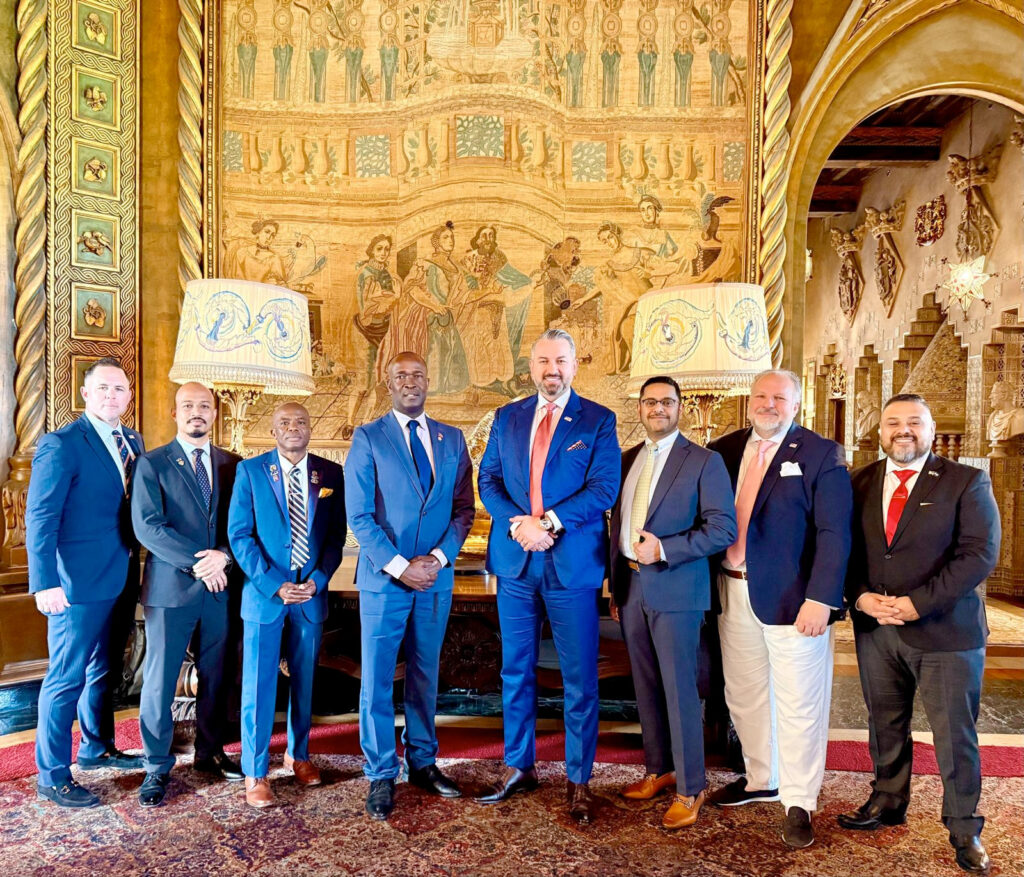
Beyond my personal exchange with Dr. Raymond Pierre, I am also aware that segments of the Haitian Global Community have begun to coalesce around his potential role in a future transition.
According to Larry P. Henri, the Haitian Global Community (HGC) is an ad hoc collective composed of members from numerous Haitian organizations around the globe. As described, the group does not function as a political party or formal institution, but rather as a loose alignment of diaspora actors who, at this moment, have chosen to express support for Dr. Pierre’s engagement in the national dialogue
In addition to this broader community alignment, individuals from diverse professional and cultural backgrounds have also voiced support for Dr. Pierre’s willingness to engage at this critical juncture.
Among them are Dr. Rod Joseph, a U.S. Army veteran and longtime Haitian advocate, as well as Lord Kinomorsa Divers, aka (King Kino), an artist widely regarded by members of the diaspora as having deep familiarity with Haitian political dynamics and diaspora sentiment. Their support has been framed not as a political endorsement, but as recognition of Dr. Pierre’s readiness to engage thoughtfully with the complexities of Haiti’s current crisis and the concerns of Haitians both at home and abroad.
This support has been presented as part of an evolving conversation within the global Haitian community, reflecting broader dissatisfaction with the current transitional framework and a desire among some diaspora voices to see credible, civil society, anchored alternatives explored once the existing mandate expires.

Between dialogue, accountability, and hope
Haiti’s current transitional arrangement, centered on the Transitional Presidential Council and the sitting Prime Minister, is widely viewed by many stakeholders as having fallen short of its stated objectives. Insecurity has deepened, armed groups have expanded their reach, and elections remain elusive.
As February approaches, the window for restoring institutional legitimacy is narrowing. In this environment, conversations such as the one I had with Dr. Pierre, alongside organized diaspora mobilization such as that described by members of the HGC, illustrate a broader reality: Haitians, particularly those in the diaspora, are no longer content to remain passive observers of political processes that profoundly affect their homeland.
At this critical juncture, disengagement would carry its own cost. As long as there are individuals like Dr. Pierre who are willing to engage, thoughtfully and openly, in the difficult struggle for Haiti’s betterment, the country’s future cannot be written off. Haiti will endure so long as there remain Haitians prepared to stand in that arena, confronting its challenges with commitment rather than resignation.
Figures such as Dr. Pierre, and the networks that support or scrutinize them, can ultimately help catalyze a credible transition if he has a good team on the ground for this political impasse requires a good team of honest patriots to join hands. What is clear, however, is that Haiti’s future will be shaped not only by formal institutions and international actors, but also by the willingness of its global community to engage critically, transparently, and persistently in the country’s search for stability, dignity, and democratic renewal.

Fritz Clairvil